What a Kitchen Remodel Really Costs in Greater Boston
Straight numbers on kitchen renovation budgets around Waltham and Boston — where the money actually goes, and where homeowners overspend.
Read article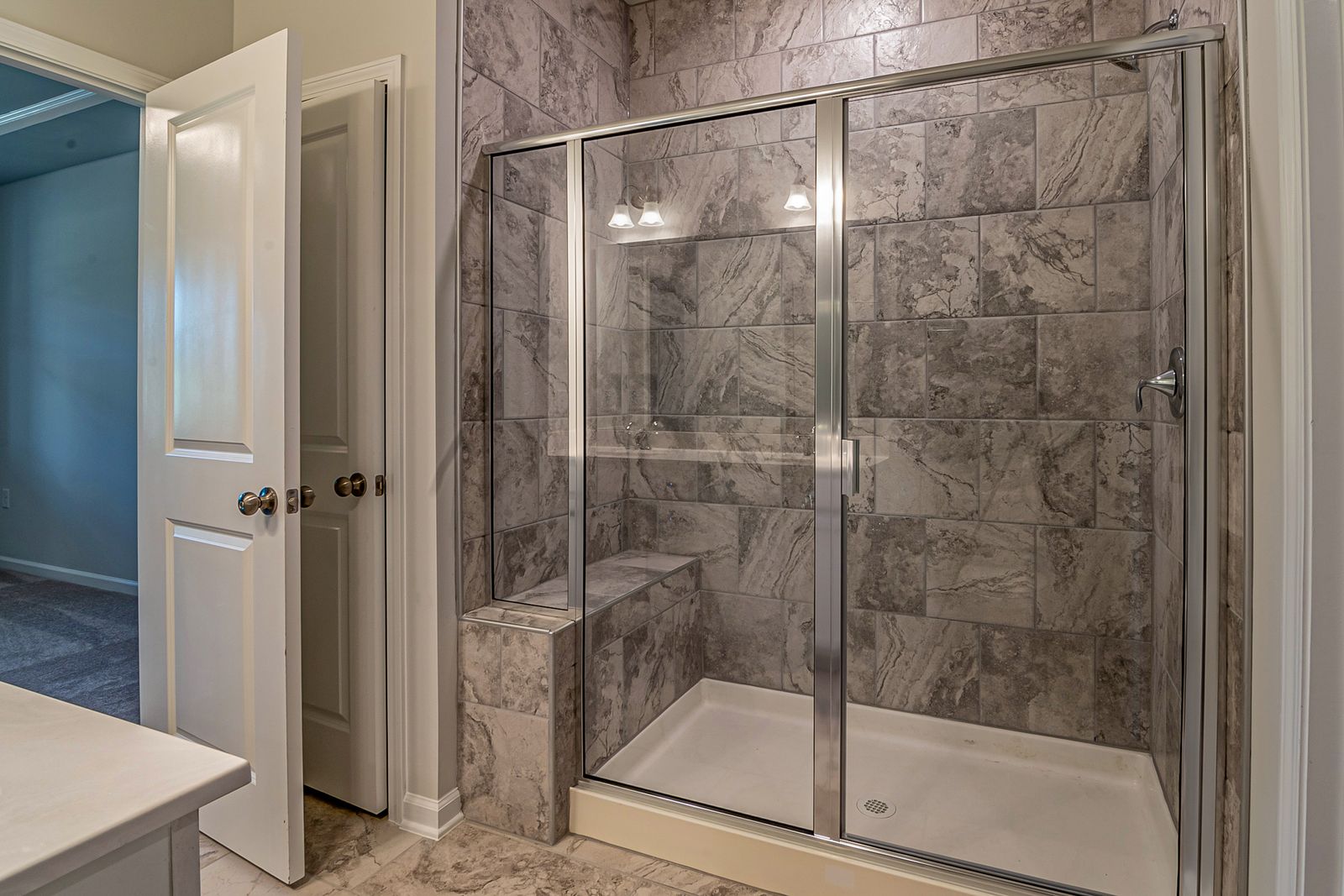
The work behind the tile decides whether your shower lasts twenty years or leaks in two. Here is what a correct assembly looks like.
When a tiled shower fails, it almost never fails at the tile. It fails behind it. By the time a homeowner sees a loose tile, a dark grout line or a stain on the ceiling below, water has usually been moving through the assembly for a long time.
This is the single most common misunderstanding. Cement backer board is a stable, rot-resistant substrate — it will not turn to mush like drywall. But it is not a water barrier. Water passes straight through it. It needs a waterproofing layer over it, or a membrane system integrated with it.
There is more than one right way to build a shower, but every right way shares the same logic: a continuous, unbroken waterproof plane that drains to the drain.
A shower that was flood-tested before tile is a shower you can stop thinking about.
Once the waterproofing is right, the visible craftsmanship is about layout. We center the niche on a tile course so it doesn't land on an awkward sliver cut. We pitch the curb slightly inward so water runs back into the pan instead of onto the bathroom floor. We plan where the cuts fall before the first tile is set, not after.
Grout goes in the field joints. Flexible sealant goes in the change-of-plane joints — inside corners, where wall meets pan, where the curb meets the floor. Those joints move slightly with the building. Grout them and they crack. This is a small detail that separates a bathroom that still looks tight after a decade from one that shows hairline cracks in the first winter.
An exhaust fan that is undersized, or one that dumps into the attic instead of outside, will keep a bathroom damp no matter how good the tile work is. In New England, that means mildew and, eventually, problems in the framing above. We vent to the exterior. Always.
If you have a shower that is showing early signs of trouble — loose tile, persistent damp smell, a stain on a ceiling below — call us. Catching it early is dramatically cheaper than catching it late.
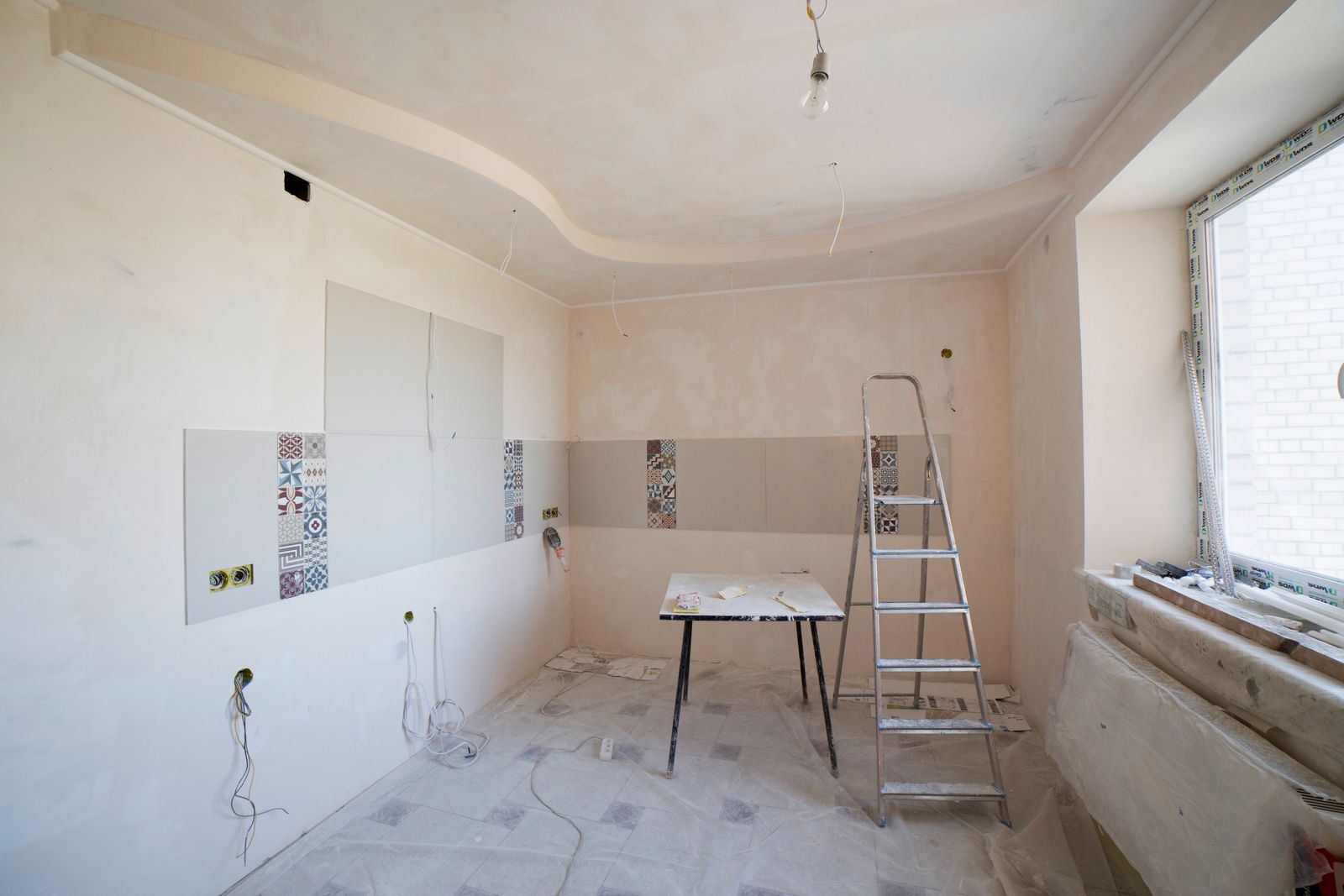
Straight numbers on kitchen renovation budgets around Waltham and Boston — where the money actually goes, and where homeowners overspend.
Read article
Removing a wall to open a floor plan is one of the highest-impact renovations there is — and one of the easiest to get wrong.
Read article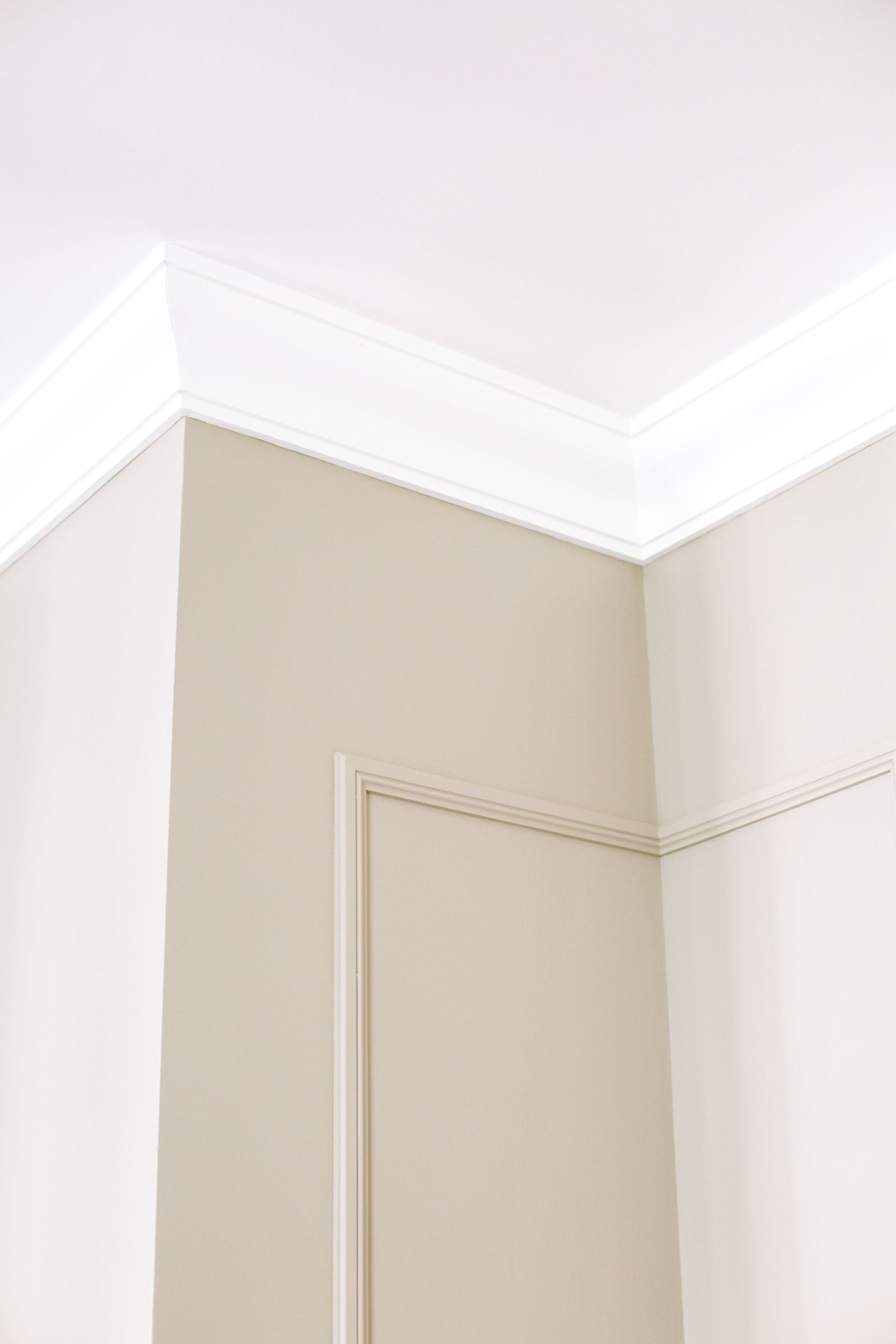
Nothing in an old house is square. Here is how good carpenters work with that instead of fighting it.
Read article