What a Kitchen Remodel Really Costs in Greater Boston
Straight numbers on kitchen renovation budgets around Waltham and Boston — where the money actually goes, and where homeowners overspend.
Read article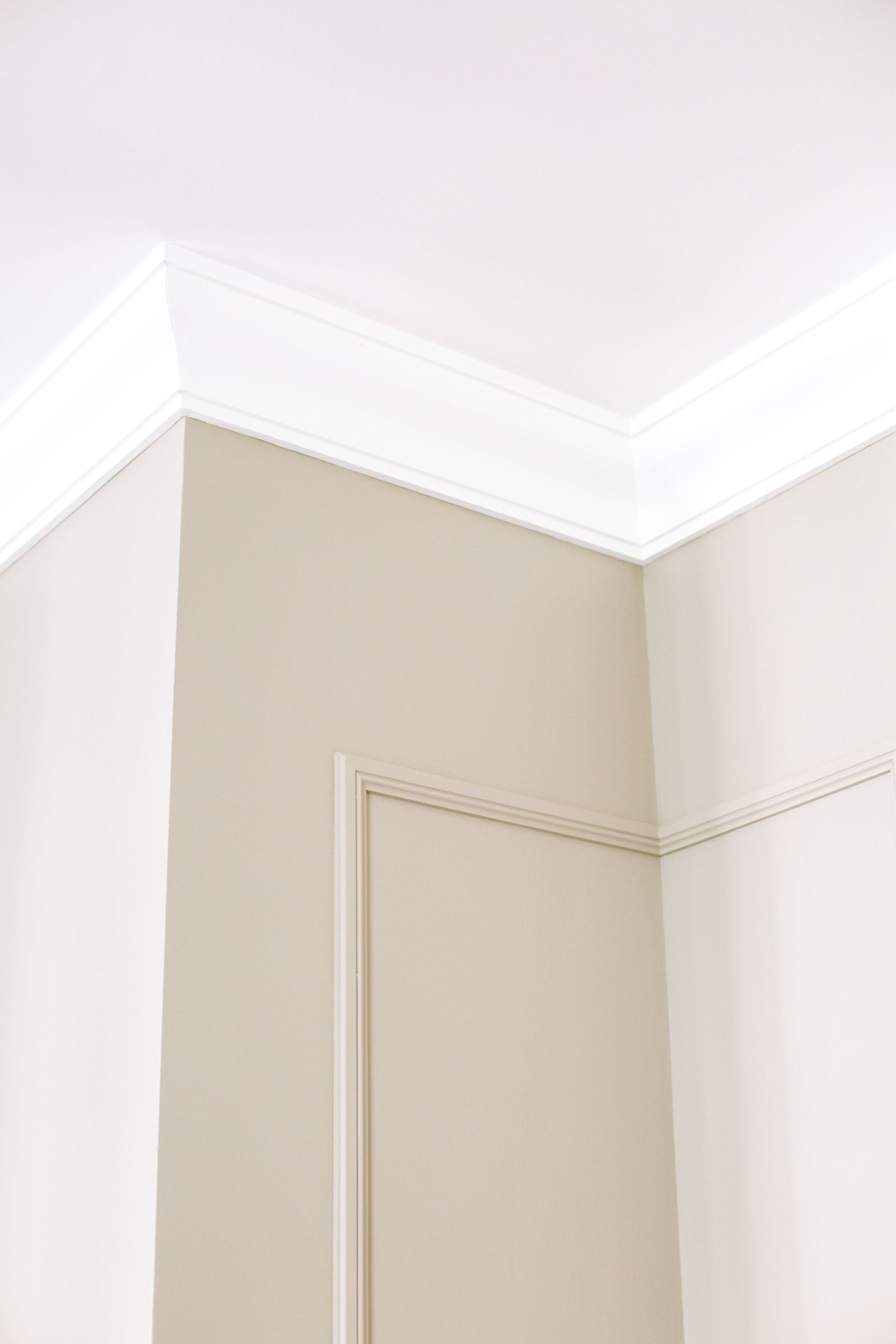
Nothing in an old house is square. Here is how good carpenters work with that instead of fighting it.
Walk into a well-trimmed old home and you probably won't be able to say why it feels right. Walk into one where the trim was rushed, and you'll notice immediately — gaps at the corners, casing that doesn't quite meet the floor, a crown line that wanders. The framing underneath is the same in both. The difference is method.
A house that has been standing for a century has settled. Floors slope. Walls bow. Corners that were framed at ninety degrees are now eighty-eight or ninety-three. If you cut every piece of trim to a perfect angle on the miter saw and hold it to the wall, you get a gap — and no amount of caulk hides a gap on a corner you walk past every day.
The fix is to measure the actual condition rather than the assumed one. We check each corner with a bevel gauge and cut to what's there.
A mitered inside corner is two 45-degree cuts meeting in the middle. It looks fine on installation day. Then the heat comes on in November, the wood gives up moisture, everything shrinks slightly — and the joint opens up.
A coped joint is different: one piece runs square into the corner, and the second is cut to the exact profile of the first so it nests against its face. When the house moves, the coped piece slides slightly against the profile instead of pulling apart. It takes longer. It stays tight.
Miters open. Copes hold. In an old house that's still moving with the seasons, that difference shows up within the first year.
When a bookcase or a cabinet meets a wall that bows, you have two options: force it and live with the gap, or scribe it. Scribing means tracing the wall's actual contour onto the trim piece and cutting to that line, so the piece follows the wall exactly. It's how a built-in ends up looking original to the house instead of dropped into it.
Older homes often have trim profiles you can't buy at a supply house today. When we're patching into an existing run — say, adding a doorway to a room with original casing — we either source a matching knife profile or build the profile up from stock pieces until it reads the same from a few feet away. Nobody should be able to tell where the old work stops and the new begins.
Nail placement matters more than people expect. Nails go where the trim is backed by framing, and they get set below the surface so filler sits flush. We fill, sand, and prime before paint rather than relying on a heavy paint coat to hide anything.
If your budget is limited, put it where you see it most: the entry, the main stair, and whichever room you spend evenings in. A well-trimmed entry sets the tone for the entire house.
Have a room that needs finish work? Call us and we'll come take measurements.
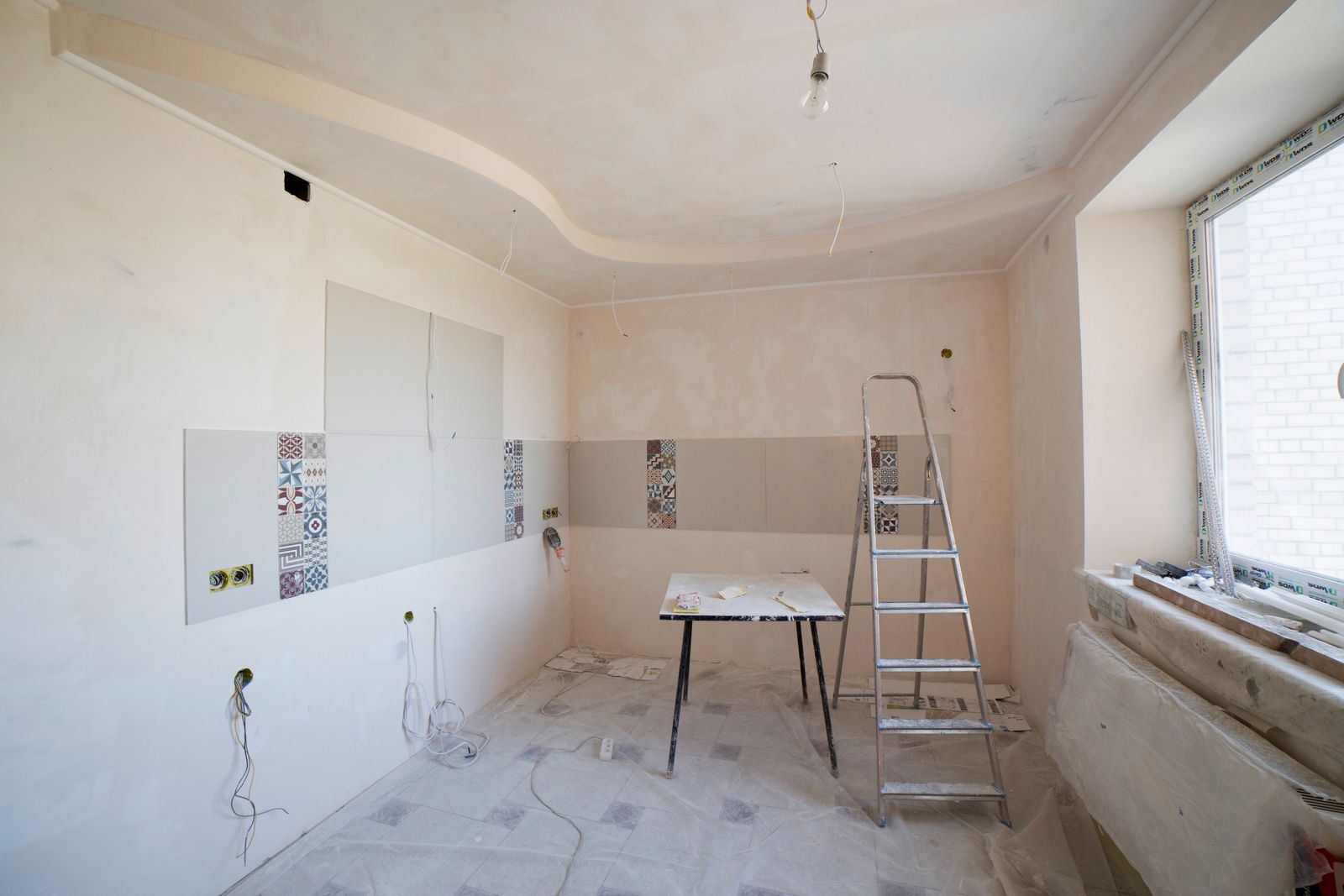
Straight numbers on kitchen renovation budgets around Waltham and Boston — where the money actually goes, and where homeowners overspend.
Read article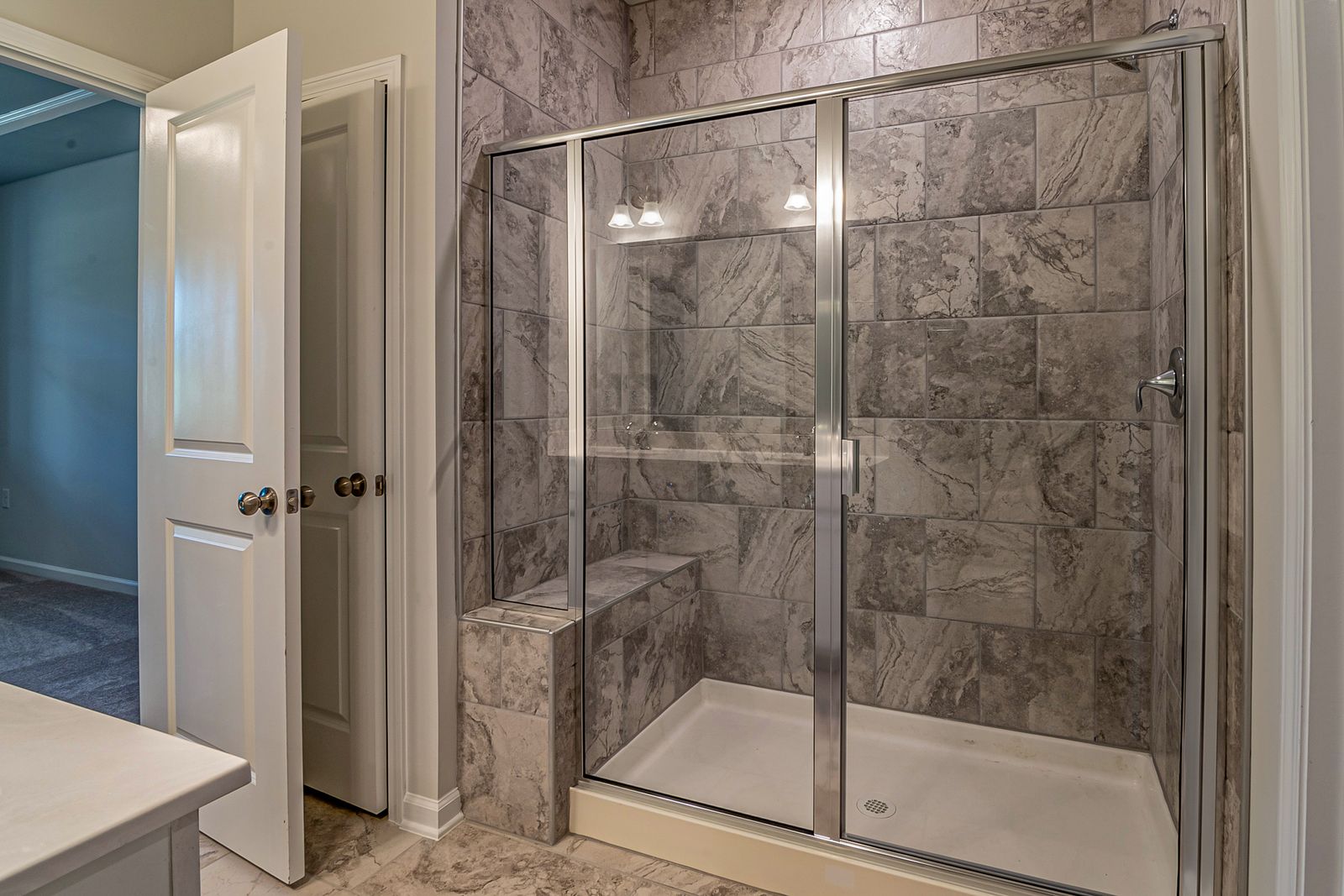
The work behind the tile decides whether your shower lasts twenty years or leaks in two. Here is what a correct assembly looks like.
Read article
Removing a wall to open a floor plan is one of the highest-impact renovations there is — and one of the easiest to get wrong.
Read article