What a Kitchen Remodel Really Costs in Greater Boston
Straight numbers on kitchen renovation budgets around Waltham and Boston — where the money actually goes, and where homeowners overspend.
Read article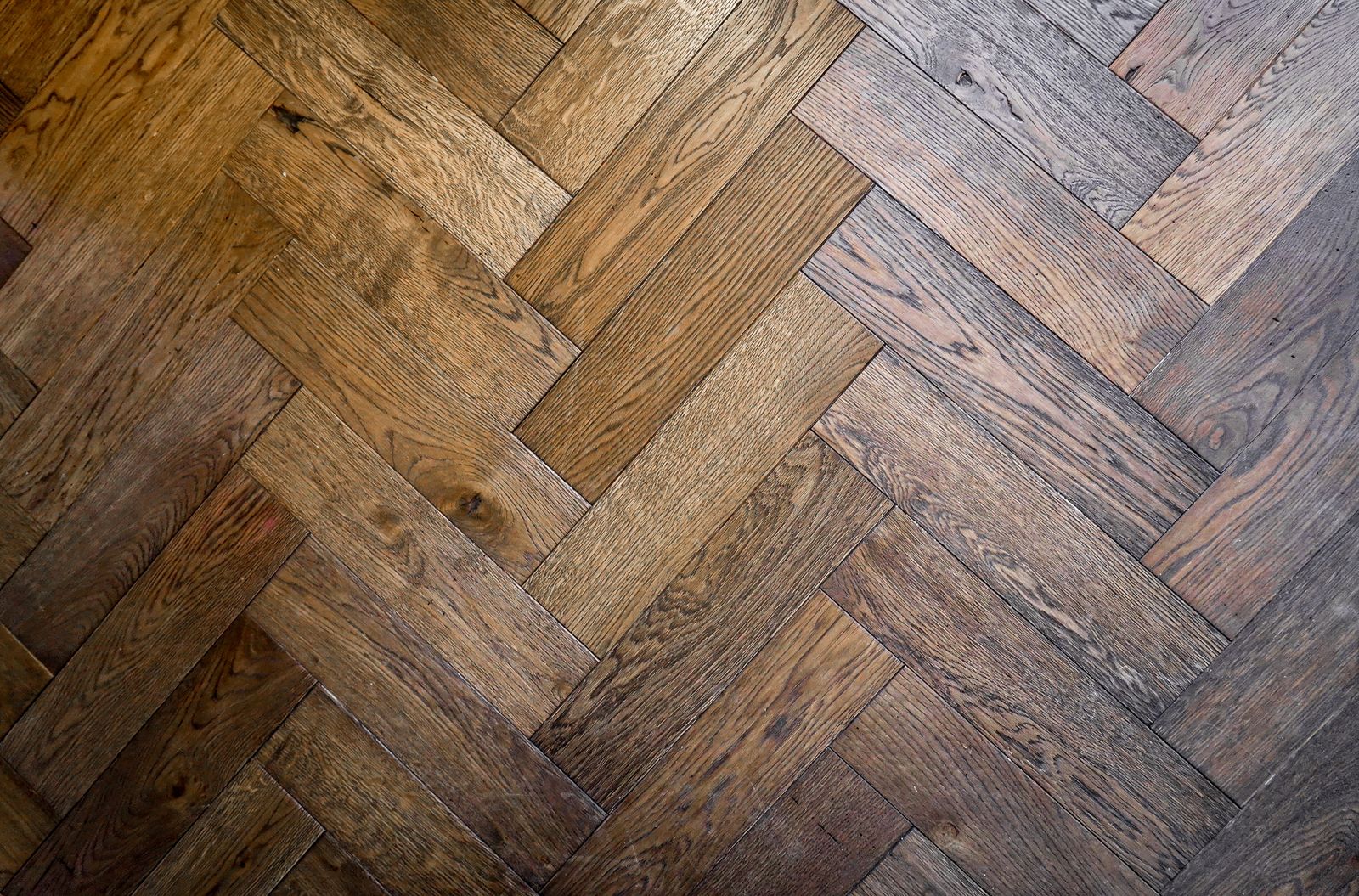
Humidity swings, basements, mudrooms and dogs. A practical guide to picking the right floor for each room.
There's no single best flooring — only the right floor for a given room, in a given house, with a given household. Here's how we help homeowners around Waltham think it through.
Still the benchmark for main living areas and bedrooms. It's beautiful, it adds real resale value in this market, and its great advantage is that it can be sanded and refinished several times over its life — a solid floor can outlast several owners.
Its weakness is moisture. Solid wood expands and contracts with humidity, which is why it wants to be above grade and why acclimation before installation is not optional. It's a poor choice for a basement, and a risky one for a full bathroom.
A real wood wear layer over a dimensionally stable plywood core. It moves far less with humidity than solid wood, which makes it the better pick for below-grade spaces, over radiant heat, and in wide-plank applications where solid boards would be more likely to cup.
The thing to check is wear-layer thickness. A thick wear layer can be refinished once or twice. A very thin one cannot be refinished at all — when it's worn, it gets replaced.
LVP has improved enormously, and it earns its place in specific rooms. It's genuinely waterproof, which makes it strong in mudrooms, laundry rooms, finished basements and bathrooms. It handles dogs, kids and wet boots in a way wood doesn't.
It won't be mistaken for wood underfoot — it's harder and sounds different — and it can't be refinished. But for a basement playroom or a busy back entry, it's often the practical answer.
The most durable and water-resistant option, and the standard for bathrooms and many kitchens and entries. Large-format tile in particular demands a flat substrate; the bigger the tile, the less forgiving it is of a subfloor that isn't within tolerance. Tile is also cold and hard, which is why pairing it with electric radiant heat in a bathroom is such a popular upgrade.
Match the floor to the room, not the whole house to one product. A basement and a formal dining room have nothing in common.
Our indoor humidity swings hard. Forced hot air in January can pull a house down to very dry conditions; August without air conditioning runs the other direction. Wood responds to both. That's why we let flooring sit in the actual room for several days before installing, and why we leave proper expansion gaps at the perimeter — hidden by base and shoe, but essential. Floors that gap in winter or buckle in summer almost always trace back to one of those two steps being skipped.
Not sure which way to go? Call us — we'll look at the space, check the subfloor, and give you a straight recommendation.
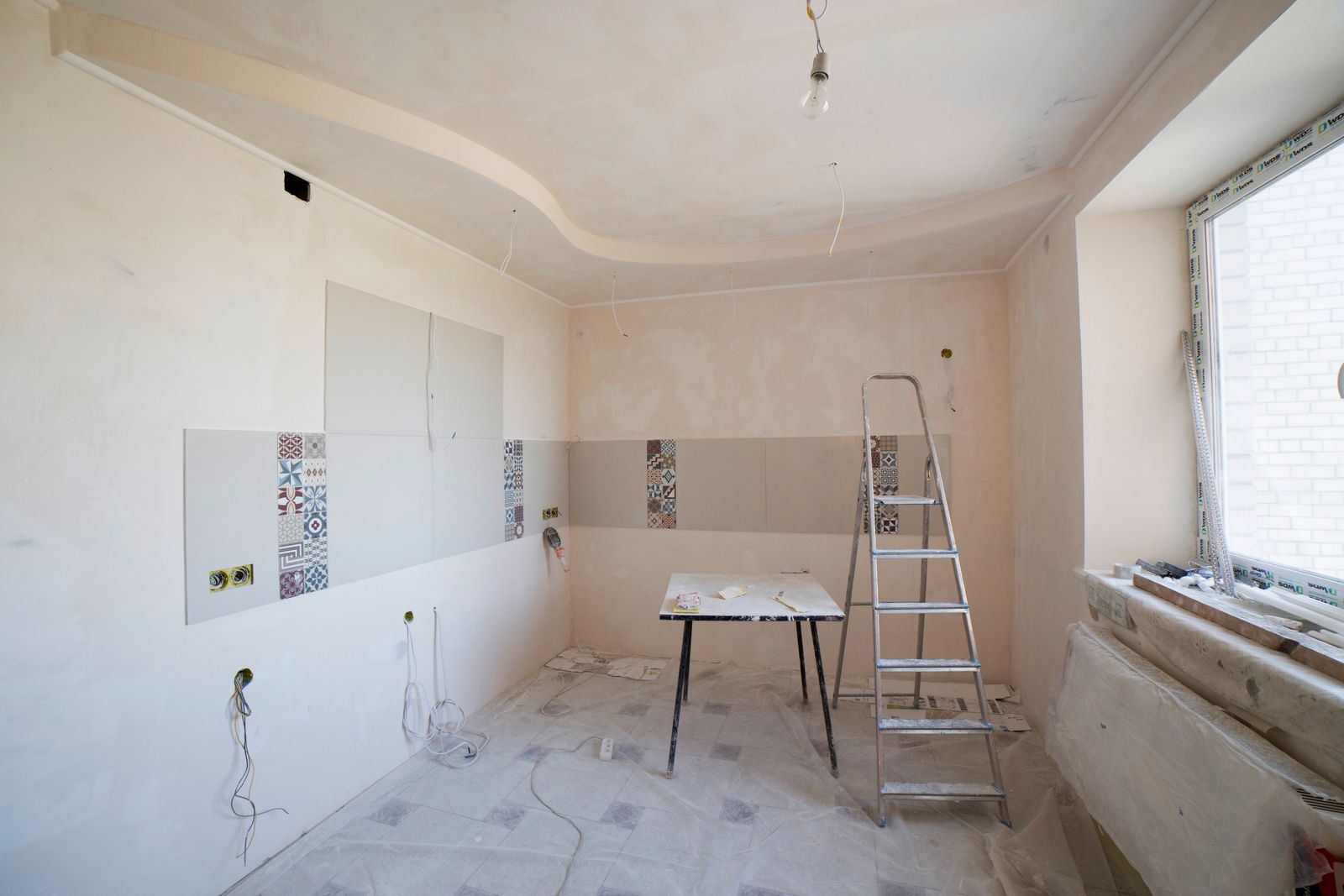
Straight numbers on kitchen renovation budgets around Waltham and Boston — where the money actually goes, and where homeowners overspend.
Read article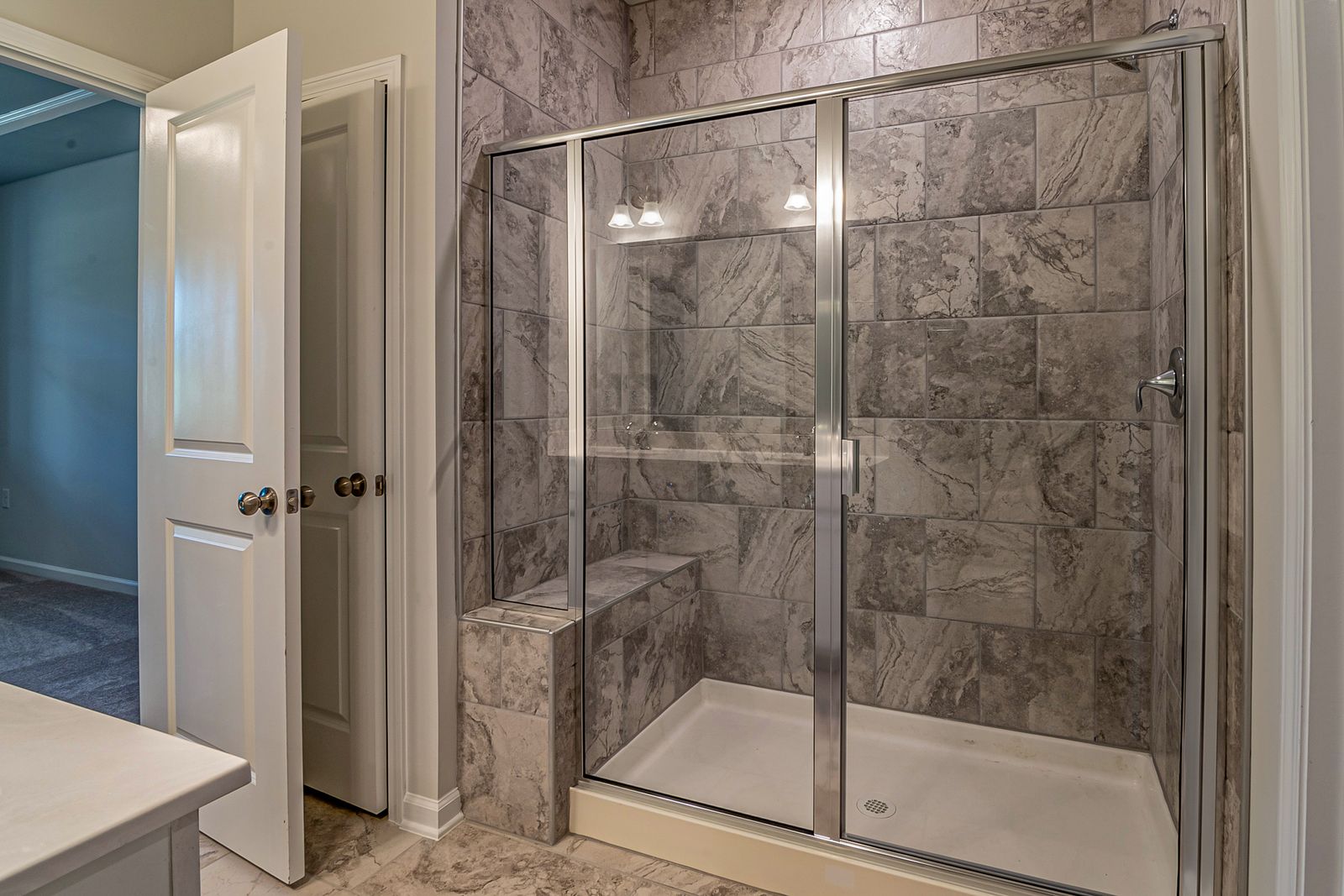
The work behind the tile decides whether your shower lasts twenty years or leaks in two. Here is what a correct assembly looks like.
Read article
Removing a wall to open a floor plan is one of the highest-impact renovations there is — and one of the easiest to get wrong.
Read article