What a Kitchen Remodel Really Costs in Greater Boston
Straight numbers on kitchen renovation budgets around Waltham and Boston — where the money actually goes, and where homeowners overspend.
Read article
Our climate is hard on paint. Here is how to get eight to ten years out of an exterior instead of three.
New England asks a lot of an exterior paint job. Freeze-thaw cycles all winter, humidity all summer, and a sun exposure on the south face that's brutal by August. A paint job that would last fifteen years in a mild climate has a much harder life here. The good news is that most premature failure comes down to a handful of avoidable causes.
Most exterior coatings want surface and air temperatures to stay within the manufacturer's range for the full cure window, not just while you're rolling. That's the part people miss: a warm afternoon in October followed by a night near freezing can compromise a coat that looked perfect at 4pm.
Locally, that generally means late spring through early fall for reliable results. We also watch dew point in the shoulder seasons — a surface that's damp from overnight condensation isn't ready for paint, even if the sun is out.
If a bid comes in dramatically low, the difference is almost always prep hours. That's the part you can't see and the part that determines how long it lasts.
Caulk belongs where two materials meet and water could get in — trim to siding, around window and door casings, at corner boards. It does not belong along the bottom edge of clapboards or lap siding. Those gaps are how the wall assembly breathes and drains. Sealing them traps moisture behind the siding, and trapped moisture is what pushes paint off from the back.
Coverage is specified as a wet film thickness for a reason. One heavy pass does not equal two proper coats, no matter how good it looks going on. The second coat is what delivers the UV and moisture resistance the product is rated for.
Keep gutters clear so water isn't running down the fascia. Cut back shrubs and vines that hold moisture against the siding. Touch up nicks and exposed spots when you notice them, rather than waiting for the next full repaint — a small brush-up in year four can push the full repaint out well past year eight.
Want an honest assessment of your exterior? We'll walk it with you and tell you what it actually needs.
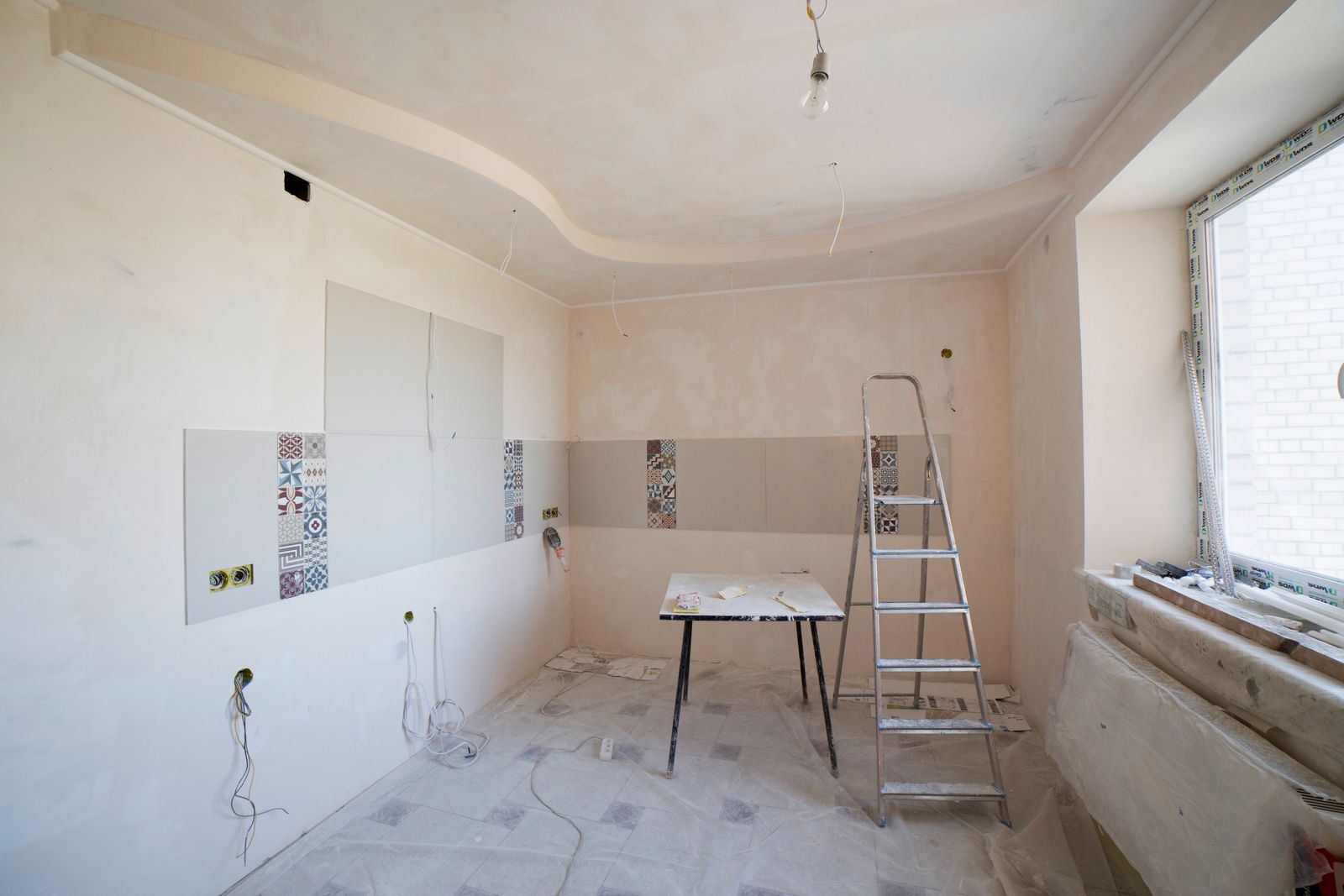
Straight numbers on kitchen renovation budgets around Waltham and Boston — where the money actually goes, and where homeowners overspend.
Read article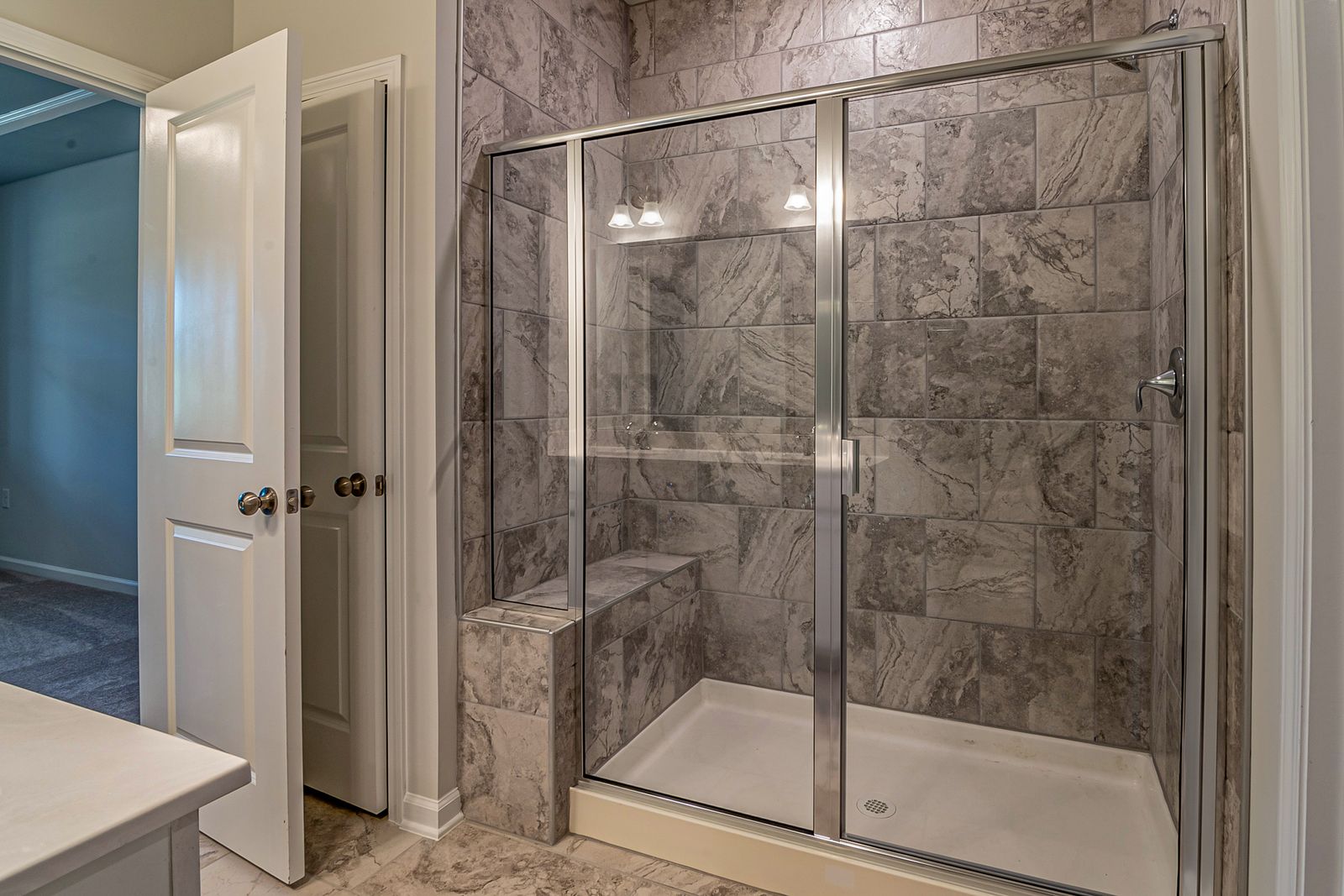
The work behind the tile decides whether your shower lasts twenty years or leaks in two. Here is what a correct assembly looks like.
Read article
Removing a wall to open a floor plan is one of the highest-impact renovations there is — and one of the easiest to get wrong.
Read article